
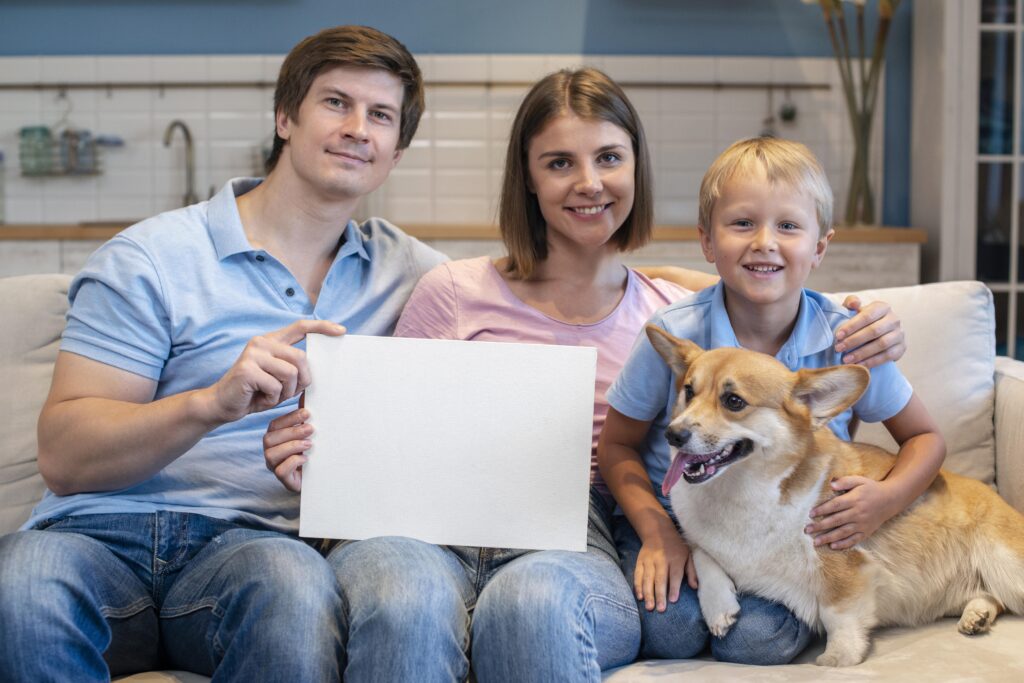
The question of what is the best family dog is one of the most common searches when people are ready to bring a canine companion into their home. The answer depends on your household’s specific needs—whether you have young children, teenagers, other pets, limited space, an active lifestyle, or a more relaxed routine. There is no universal “best” dog for every family, but certain breeds and types consistently rise to the top because they combine temperament, adaptability, trainability, and affection toward people of all ages.
In this comprehensive guide, we’ll explore the traits that make a dog an excellent family companion, the breeds most frequently regarded as top choices, key factors to consider, training and care essentials, and realistic expectations. By understanding what truly defines the best family dog, you’ll be better equipped to choose a pet that will thrive in your home for many years.
What Is the Best Family Dog: Essential Traits Every Family Needs
Before looking at specific breeds, it’s important to identify the core characteristics that make a dog suitable for family life.
- Gentle and patient temperament — The dog should remain calm even when children are loud, move suddenly, or handle it clumsily.
- High tolerance for handling — Being comfortable with ear pulling, tail grabbing, hugging, and being climbed on (especially important with toddlers and young children).
- Friendly and sociable nature — Welcoming toward strangers, other dogs, and new experiences rather than fearful or territorial.
- Moderate to good trainability — Responds well to positive reinforcement and learns household rules quickly.
- Adaptable energy level — Matches the family’s activity pattern—enough energy to enjoy playtime but not so high that the dog becomes frustrated in a calmer home.
- Reasonable size — Sturdy enough not to be easily injured by children, yet not so large that it overwhelms small living spaces.
- Low-to-moderate aggression potential — Protective instincts are fine, but overt guarding or dog-aggressive tendencies usually do not suit family life.
- Reasonable grooming and shedding needs — Families often prefer dogs that don’t require professional grooming every few weeks or leave massive amounts of hair.
What Is the Best Family Dog: Breeds Most Frequently Recommended
While individual personality always matters more than breed, certain breeds have earned widespread recognition as outstanding family companions due to their consistent temperament and adaptability.
Labrador Retriever
The Labrador Retriever remains one of the most popular answers to what is the best family dog. Labs are famously friendly, outgoing, and patient. They bond deeply with every family member and generally love children of all ages. Their medium-to-high energy level matches active families, but they are also content to relax at home after exercise.
- Size: 55–80 lbs (medium-large)
- Coat: Short, double coat; moderate to heavy shedding
- Exercise needs: 45–90 minutes daily
- Trainability: Very high
- Lifespan: 10–12 years
Golden Retriever
The Golden Retriever is another breed that appears near the top of almost every best family dog list. Known for their sweet, gentle nature and exceptional patience, Goldens are especially tolerant with young children. They are highly trainable, affectionate, and thrive on being part of family activities.
- Size: 55–75 lbs
- Coat: Medium-long, dense; moderate to heavy shedding
- Exercise needs: 60–90 minutes daily
- Trainability: Excellent
- Lifespan: 10–12 years
Beagle
For families looking for a smaller, merry companion, the Beagle often ranks very high. Beagles are friendly, curious, and sociable. They usually get along well with children, other dogs, and even cats when raised together.
- Size: 20–30 lbs
- Coat: Short; moderate shedding
- Exercise needs: 30–60 minutes daily + mental stimulation
- Trainability: Moderate (food-motivated but can be stubborn)
- Lifespan: 12–15 years
Boxer
Boxers are playful, energetic, and extremely people-oriented. They form very strong bonds with children and are known for being protective yet gentle with family members.
- Size: 50–80 lbs
- Coat: Short; moderate shedding
- Exercise needs: 60–90 minutes daily
- Trainability: High
- Lifespan: 10–12 years
Cavalier King Charles Spaniel
When a smaller dog is preferred, the Cavalier King Charles Spaniel often stands out as the best family dog for many households. Cavaliers are gentle, affectionate, and thrive on human companionship. They adapt well to different living situations.
- Size: 13–18 lbs
- Coat: Medium-length, silky; moderate shedding
- Exercise needs: 30–60 minutes daily
- Trainability: High
- Lifespan: 12–15 years
Mixed Breeds (Shelter Dogs)
Many families discover that the best family dog is not a purebred at all, but a mixed-breed dog adopted from a shelter or rescue. Mixed breeds often benefit from hybrid vigor (fewer genetic health problems) and frequently combine the best traits of multiple breeds.
What Is the Best Family Dog: Factors That Influence the Right Choice
The “best” family dog varies depending on several important factors:
- Age of children — Toddlers and preschoolers do better with medium-to-large, sturdy dogs. Families with older children may enjoy higher-energy breeds.
- Living space — Apartment or small home owners usually prefer smaller or lower-energy dogs. Houses with yards can accommodate larger, more active breeds.
- Activity level of the family — Very active families often do well with energetic breeds. Less active households benefit from calmer companions.
- Allergies — While no dog is truly hypoallergenic, lower-shedding breeds cause fewer issues for many allergy sufferers.
- Other pets — Dog-friendly, sociable breeds are essential in multi-pet homes.
- Time available for grooming — Families with limited time should avoid breeds that require frequent professional grooming or heavy coat maintenance.
- Noise tolerance — Some breeds are naturally more vocal than others.
Taking time to honestly assess these factors dramatically increases the chance of choosing the best family dog for your specific household.
What Is the Best Family Dog: Training and Socialization Essentials
Even the most naturally family-friendly breeds need proper training and socialization to reach their full potential.
- Early socialization — Expose puppies to children, adults, other dogs, different surfaces, sounds, and environments during the critical socialization window (roughly 3–16 weeks).
- Positive reinforcement training — Reward-based methods build confidence and strengthen the bond.
- Basic obedience — Sit, stay, come, leave it, and loose-leash walking are essential for safety and harmony.
- Children-dog boundaries — Teach children how to interact respectfully and supervise all interactions.
- Exercise routine — Consistent physical and mental stimulation prevents boredom and unwanted behaviors.
A well-trained, well-socialized dog is far more likely to be considered the best family dog in real life.
What Is the Best Family Dog: Realistic Expectations and Long-Term Care
No dog is perfect. Even breeds regarded as outstanding family companions have quirks:
- Shedding (especially heavy in double-coated breeds)
- Chewing and energy needs during adolescence
- Potential separation anxiety if left alone too long
- Veterinary costs (annual check-ups, vaccinations, emergencies)
- Grooming time and expense
- Exercise commitment
Being realistic about these aspects helps families choose the best family dog they can successfully care for over 10–15+ years.
Final Thoughts
There is no single answer to what is the best family dog—but certain breeds and individual dogs stand out because they combine patience, friendliness, trainability, and adaptability in ways that suit most family households.
Labrador Retrievers, Golden Retrievers, Beagles, Boxers, Cavaliers, and well-matched mixed breeds are among the most consistently recommended choices. The most important step is to match the dog’s needs to your family’s lifestyle, living situation, and commitment level.
Take time to meet dogs in person, speak with breeders or rescue organizations, and consider fostering if possible. When the right match is made, the dog doesn’t just become a pet—they become a beloved, irreplaceable member of the family.